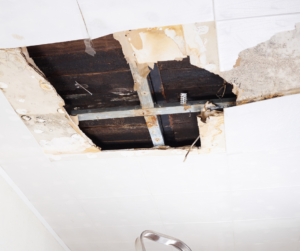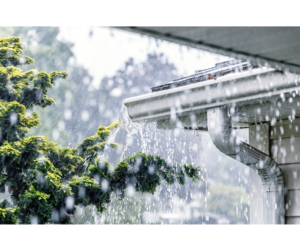
Why Your Roof Starts Leaking in Winter, Even If It Was Fine All Summer?
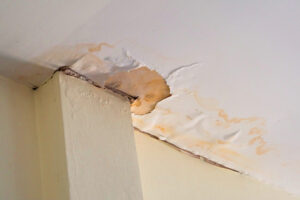
A yellow stain on your ceiling is never just “nothing.”
Winter in Gauteng is usually dry and sunny, which is exactly why roof leaks at this time feel so unexpected. Most winter roof failures come down to thermal contraction, dried-out sealants, and hidden debris left behind after summer rains.
Many homeowners are surprised when damp patches appear in June or July after a perfectly fine summer. The truth is simple: winter exposes hidden roof weaknesses.
If you’ve noticed water stains, peeling paint, bubbling ceilings, or dripping during cold mornings, your roof is already showing early warning signs.
In this blog, we break down why:
Winter roof leaks happen in Gauteng,
what causes them,
and how to prevent expensive damage with proper waterproofing.
Why Winter Exposes Hidden Roof Problems

Most people associate roof leaks with heavy rain. But in Gauteng, winter creates a completely different type of stress on your roof.
During the day, roofing materials heat up under the sun. At night, temperatures drop rapidly. This constant expansion and contraction slowly weakens the roof structure, especially around joints, flashings, screws, and waterproofing systems.
Tiny gaps begin to form.
Old waterproofing becomes brittle. Tiles shift slightly. Flashings pull away from the roofline. Once winter rain eventually arrives, water finds its way through these weakened areas almost instantly.
This is why many homeowners experience winter roof leaks even though their roof looked perfectly fine during summer.
The Most Common Causes of Winter Roof Leaks in Gauteng
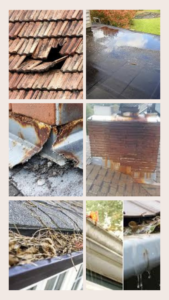
The top 10 average reasons why a roof begins to leak in winter, even if it held up perfectly during the summer rains, include:
1. Thermal Contraction and Expansion
Gauteng’s drastic day-to-night winter temperature drops cause roofing materials like tiles, tin, and flashings to contract. This movement opens microscopic gaps that allow winter rain to bypass the roof deck.
2. Degraded Flashing and Seals
The harsh Johannesburg and Pretoria summer sun slowly destroys waterproofing and sealants around chimneys, skylights, and roof joints. In winter, these weakened materials crack and lose their watertight seal completely.
3. Delayed Reaction of Summer Damage
Summer storms often cause hidden roof damage that takes months to appear. Water can slowly travel through timber, insulation, and ceiling boards before eventually showing itself during winter.
4. Dry-Rot in Roof Timbers
Moisture trapped during summer can weaken wooden roof structures. As winter air dries the timber out, the wood shrinks and shifts, causing roofing sheets or tiles above to move out of alignment.
5. Clogged Gutters and Blocked Valleys
Autumn leaves are a major problem in Gauteng. Blocked gutters prevent proper drainage, causing rainwater to pool and overflow beneath roof edges.
6. Deteriorated Roof Mortar
Mortar securing ridge caps and valleys naturally cracks over time. Winter temperatures speed up this deterioration and expose vulnerable areas beneath the tiles.
7. Poor Roof Ventilation and Condensation
Cold winter mornings create heavy condensation inside roof cavities. Without proper ventilation, moisture builds up and drips onto ceilings, often looking exactly like a roof leak.
8. Broken, Slipped, or Porous Tiles
Roof tiles absorb moisture over many years. During winter, these tiles can contract, crack, or shift under strong winds, creating direct water entry points.
9. Failed Waterproofing Membranes
Flat roof waterproofing systems degrade under harsh UV exposure. Once winter arrives, these membranes lose flexibility and begin tearing around joints and corners.
10. Loose Roof Fixings and Fasteners
Roof screws and fasteners slowly loosen due to seasonal movement. Winter contraction creates tiny gaps around nail holes and fixing points that allow water to enter.
How Waterproofing Cracks During Cold Weather
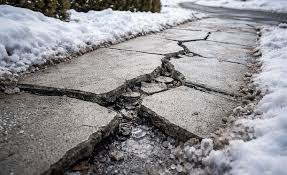
Most homeowners believe waterproofing lasts forever. Unfortunately, it does not.
Over time, UV rays dry out waterproofing membranes and coatings. Once the material loses elasticity, winter temperatures cause cracking, splitting, and lifting.
This is especially common on:
- Flat roofs
- Parapet walls
- Roof joints
- Flashings
- Box gutters
- Balcony roofs
The problem often starts small. A tiny crack may not leak immediately during summer. But once winter contraction begins, that crack expands and allows moisture deep into the roof system.
Professional roof waterproofing maintenance is designed to catch these failures early before major interior damage occurs.
Why Flat Roofs Leak More in Winter

Flat roof leaks are extremely common during Gauteng winters.
Unlike pitched roofs, flat roofs do not shed water quickly. Even small drainage problems allow water to sit on the surface for long periods.
As temperatures change, the roof structure expands and contracts repeatedly. This movement stresses waterproofing membranes and weakens bonded areas.
Flat roofs are also more vulnerable to:
- Ponding water
- UV damage
- Membrane blistering
- Flashing separation
- Drain blockages
If your property has a flat roof, regular roof maintenance in Johannesburg is essential before winter reaches its coldest months.
Signs Your Roof Needs Urgent Attention

Many roof leaks start long before homeowners notice visible water damage.
These are the most common warning signs that your roof may already need professional attention:
- Peeling ceiling paint
- Damp smells inside the home
- Bubbling plaster
- Water stains on ceilings
- Cracked roof mortar
- Sagging gutters
- Rust on roof sheets
- Dripping during cold mornings
- Mould growth near ceilings
- Loose roof tiles after wind
Ignoring these signs usually leads to much larger repair costs later.
A simple roof inspection can often identify the exact issue before structural damage begins.
Why Small Roof Problems Become Expensive Fast
One small leak can quietly cause thousands of rands in damage.
Water spreads quickly through insulation, timber, ceilings, and walls. By the time the leak becomes visible, the internal damage is often far worse than expected.
Many homeowners delay repairs because the leak appears minor.
But winter roof leaks rarely stay small for long.
A neglected leak can eventually lead to:
- Ceiling collapse
- Electrical hazards
- Mould growth
- Structural timber damage
- Interior paint damage
- Insulation replacement
- Expensive roof restoration
Preventative roof maintenance is always cheaper than emergency repairs.
Final Roof Inspection Tips Before Peak Winter

Before the coldest part of winter arrives, it is a good idea to schedule a professional roof inspection.
Here are a few simple ways to reduce your risk of winter roof leaks:
- Clear gutters and valleys
- Check for cracked tiles
- Inspect ceilings for stains
- Look for peeling paint
- Trim overhanging trees
- Repair loose flashing
- Recoat aging waterproofing
- Fix small cracks immediately
Even if your roof survived summer storms, winter may still expose hidden weaknesses.
The earlier you act, the easier and more affordable the repairs usually are.
Protect Your Roof Before Winter Damage Starts at Top Roof Waterproofing with a Winter Special.