Gauteng homeowners know how quickly the weather can change. A hot, dry afternoon can turn into a powerful Highveld thunderstorm, bringing heavy rain, strong winds and, in some areas, hail. While your roof and exterior walls may look perfectly fine from the ground, water can already be finding its way into small cracks, joints and damaged waterproofing systems.
The good news is that early warning signs are usually easy to spot. Identifying a problem early can help prevent expensive repairs to ceilings, walls, paintwork and even structural areas of your home.
If you have noticed damp patches, peeling paint or unexplained leaks, don’t simply paint over the problem. Here are five signs that your Gauteng property may need professional waterproofing.
1. Damp Patches or Water Stains on Your Ceiling
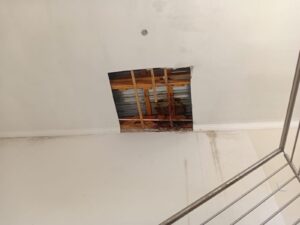
One of the clearest signs of a roof waterproofing problem is a brown, yellow or dark patch appearing on your ceiling.
You may notice it after heavy rainfall, particularly around:
- Ceiling corners
- Areas underneath flat roofs
- Roof valleys and joins
- Skylights and roof penetrations
- Chimneys or flashing
- Areas where different roof surfaces meet
A small stain does not necessarily mean the damage is small. Water can travel along roof structures before eventually appearing inside your home.
A simple DIY check
After rainfall, safely inspect your ceiling for new marks or changes. Never climb onto a wet roof yourself. Instead, look for:
- Fresh water marks
- Bubbling or sagging paint
- Damp-looking patches
- Musty smells
- Peeling ceiling paint
If the same area becomes damp repeatedly, professional investigation is recommended.
[Image Suggestion: Close-up photograph of a residential ceiling showing a brown water stain and slightly bubbling paint. Alt text: “Water stain on ceiling caused by a possible roof leak”.]
2. Cracks Around Walls, Roofs and Exterior Surfaces
Small cracks are common in buildings, but cracks can become entry points for rainwater.
Gauteng’s changing temperatures can place stress on exterior surfaces. Over time, cracks around parapet walls, roof edges, window frames and joints can allow water to penetrate.
Pay particular attention to:
- Cracks that appear wider over time
- Cracks around roof parapets
- Damaged sealant around windows
- Gaps around pipes and vents
- Crumbling or damaged exterior coatings
Waterproofing is not simply about applying a coating over everything. The underlying surface needs to be properly assessed and prepared first. If cracks are ignored, a new waterproofing layer may not solve the underlying problem.
3. Peeling Paint or Bubbling Walls
Peeling paint is often treated as a cosmetic problem, but it can sometimes indicate moisture behind the surface.
When water enters a wall, it can cause paint to bubble, blister, flake or peel. You may also notice discolouration or a powdery residue on the surface.
[Image Suggestion: Close-up photo of peeling exterior wall paint with visible bubbling and moisture damage. Alt text: “Peeling paint and bubbling wall indicating possible water damage”.]
Before repainting, determine why the moisture is there. Otherwise, you could spend money on fresh paint only to see the same problem return after the next few storms.
A waterproofing professional can identify potential entry points and recommend the appropriate system for the specific surface.
4. Your Flat Roof Holds Standing Water
Flat roofs require particular attention because rainwater should not remain on the surface for extended periods.
After a storm, safely check your roof from an appropriate viewing point. If you repeatedly notice areas where water remains long after the rain has stopped, investigate further.
Standing water, also known as ponding, can place prolonged pressure on waterproofing membranes and roof surfaces. It may also expose existing weaknesses in joints, cracks and drainage areas.
Check whether:
- Gutters are blocked
- Downpipes are overflowing
- Drainage points are clear
- Water consistently collects in the same location
- The waterproofing surface is cracked or lifting
Do not walk onto a roof if you are unsure whether it is safe. A professional inspection is the safer option.
5. Your Waterproofing Is Old, Damaged or Repeatedly Being Repaired
If you have already repaired the same leak several times, the problem may be bigger than one damaged spot.
Repeated patching can sometimes provide temporary relief without addressing the cause of water penetration. If your property has older waterproofing, visible cracking, lifting, deterioration or multiple repaired areas, it may be time for a proper assessment.
Prevention can save you money
Professional waterproofing can help protect your property before a small problem becomes major damage. Regular inspections are particularly useful before Gauteng’s heavier summer rainfall.
A professional inspection can help identify:
- Potential water entry points
- Deteriorating waterproofing
- Roof drainage problems
- Cracks and failed joints
- Areas requiring maintenance
- Suitable waterproofing solutions
Don’t Wait for the Next Storm
Waterproofing problems rarely improve by themselves. A tiny crack today can become a serious leak after repeated exposure to Gauteng’s rain, heat and temperature changes.
If you have noticed damp patches, peeling paint, standing water, cracks or recurring leaks, now is a good time to have your property checked.
Protect your home before the next downpour.
With experienced workmanship, quality waterproofing solutions and a strong reputation backed by excellent customer reviews, the right local team can help you identify the problem and protect your property for the seasons ahead.