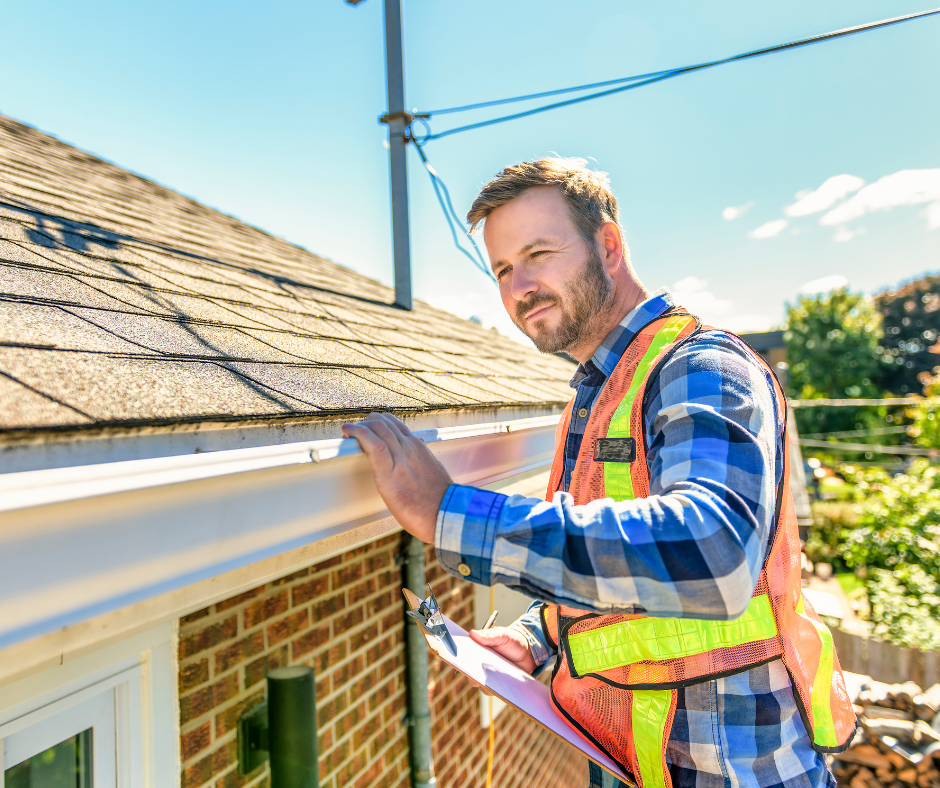
A major Gauteng storm can cause serious roof damage. But before assuming your insurance will cover the repairs, remember: your roof’s condition matters too.
If poor maintenance or existing deterioration contributed to the damage, your insurer may not cover the claim.
Regular roof maintenance isn’t optional. It’s essential.
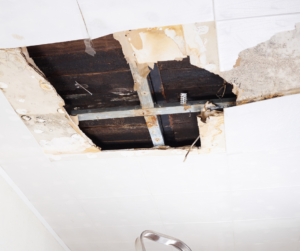
What Does Home Insurance Usually Cover?
Every insurance policy is different, so it’s important to understand your own policy wording.
Generally, home insurance is intended to cover insured events such as sudden and unexpected storm damage. Depending on the policy, this could include things like:
- Roof tiles blown off during severe winds
- Hail damage
- A tree falling onto the roof
- Storm damage to roof sheeting
- Other sudden damage caused by severe weather
But what happens when the storm exposes a problem that was already there?
For example, imagine your flat roof has had deteriorating waterproofing for several years. During a major storm, water finally enters your home.
An assessor may investigate whether the storm caused the damage or whether the existing condition of the roof contributed to the leak.
That’s why preventative roof maintenance matters.
What Will an Insurance Assessor Look For?
When assessing a storm-related claim, an assessor may investigate the condition of the roof and the likely cause of the damage.
Here are three areas Gauteng homeowners should understand.
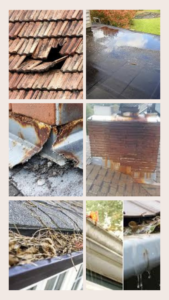
1. Sudden Storm Damage vs. Neglect
A roof that has been professionally maintained can tell a very different story from one that has been neglected for years.
An assessor may look at things such as:
- Cracked waterproofing
- Aged torch-on membranes
- Rust
- Broken or missing tiles
- Damaged flashing
- Blocked gutters
- Poor drainage
- Signs of previous leaks
If the damage appears to have developed gradually, the insurer may consider whether maintenance contributed to the problem.
This is why waiting until your ceiling is dripping can be risky.
Don’t only think about your roof when something goes wrong. Maintain it before the storm arrives.

2. What About Water Pooling on a Flat Roof?
Flat roofs deserve particular attention.
After heavy rainfall, water should be able to drain away properly. If water repeatedly remains standing on your roof, it could indicate a drainage, slope or waterproofing problem.
You may have heard of a 48-hour pooling rule, but don’t assume this is a universal insurance rule.
Different insurers and policies can have different requirements. Some may be concerned about prolonged pooling, while persistent standing water may raise questions about drainage and maintenance.
If your flat roof doesn’t dry properly after rainfall, treat it as a warning sign.
Repeated pooling can place additional stress on the waterproofing system and contribute to deterioration over time.
A professional inspection can help identify the cause before it becomes a much bigger problem.
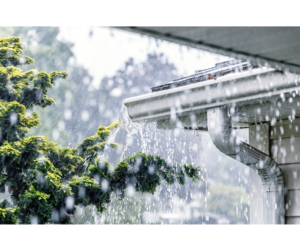
3. Gauteng’s Sun + Rain Cycle
Here’s something many homeowners don’t think about:
The sun can damage your waterproofing before the rain ever gets inside.
Gauteng’s intense UV exposure, hot summer temperatures and sudden thunderstorms create a tough environment for roofing materials.
Over time, poor-quality coatings can bake in the sun, become brittle, and crack. Then, the heavy summer rain arrives.
Water finds those tiny weaknesses and gradually works its way underneath the waterproofing.
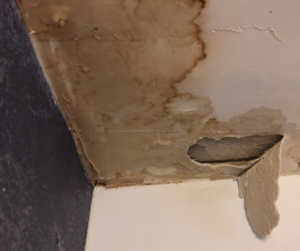
Eventually, you see a stain on your ceiling.
The storm may have exposed the problem, but the deterioration could have been developing long before that day.
That’s why preventative waterproofing is so important.
Don’t Wait Until Your Ceiling Is Leaking
Your roof often gives you warning signs before a major leak develops.
Look out for:
Inside your home:
- Brown or yellow ceiling stains
- Bubbling paint
- Damp patches
- Mould
- Musty smells
On the roof:
- Cracked waterproofing
- Peeling coatings
- Lifting torch-on membrane
- Rust
- Broken tiles
- Damaged flashing
- Blocked gutters
- Standing water
If you notice any of these, don’t wait for the next storm to see what happens.
Have the problem checked while you still have time to address it properly.

Why Roof Maintenance Matters
Your insurance policy is there to protect you against covered events, but maintaining your property is still an important part of being a homeowner.
That’s why it’s a good idea to keep your roof in good condition and keep records of the work carried out.
Save your:
- Inspection reports
- Invoices
- Guarantees
- Waterproofing certificates
- Before-and-after photographs
These documents help create a maintenance history for your property.
They don’t guarantee that a future insurance claim will be approved, because your individual policy and the circumstances of the damage still apply.
But having professional documentation can help demonstrate that you’ve taken reasonable care of your roof.

Why Choose Top Roof Waterproofing?
At Top Roof Waterproofing, we help Gauteng homeowners protect their roofs before small problems become expensive emergencies.
We provide professional roof waterproofing and roof painting to help protect roofs against Gauteng’s harsh sun, heavy rain and summer storms.
Our Written Guarantees
5-Year Guarantee
Roof Painting + Waterproofing
3-Year Guarantee
Waterproofing
You don’t simply receive a completed job. You receive written documentation of the work carried out.
Your Waterproofing Certificate
Top Roof Waterproofing also provides Waterproofing Certificates with completed waterproofing work.
This gives you documentation showing that professional waterproofing work has been carried out on your property.
Keep your certificate with your home insurance documents, along with your invoice, guarantee and other maintenance records.
If an assessor ever asks about the maintenance history of your roof, you have documentation available to support that history.
A certificate cannot override the terms of your insurance policy or guarantee that a future claim will be approved.
But it provides useful evidence of professional maintenance.
It’s another reason to choose professional waterproofing rather than simply waiting for a leak and patching the problem afterwards.
Your Pre-Storm Roof Checklist
Before the next major Gauteng storm, check:
☑️ Are your gutters clean?
☑️ Are your downpipes draining properly?
☑️ Are any roof tiles cracked or missing?
☑️ Is your waterproofing cracked or peeling?
☑️ Is water pooling on your flat roof?
☑️ Are there any damp marks on your ceilings?
☑️ When was your roof last professionally inspected?
☑️ Do you have documentation of previous maintenance?
If you spot a problem, deal with it before the next storm rather than waiting to see what happens.
Protect Your Roof Before the Storm with Top Roof Waterproofing
–
Your Gauteng Local Waterproofing Expert.
You can’t control when the next Gauteng storm arrives.
But you can make sure your roof isn’t entering storm season with problems that have been left unchecked.
Regular maintenance, professional inspections and proper waterproofing can help you stay ahead of potential problems and keep a record of the work carried out on your property.
If you’re unsure about the condition of your roof, Top Roof Waterproofing can inspect it and identify areas that may need attention before the next major storm.
With professional waterproofing, roof painting, written guarantees and Waterproofing Certificates, you can give your roof the attention it needs before the clouds roll in.
Complimentary Quotations All Across Gauteng.