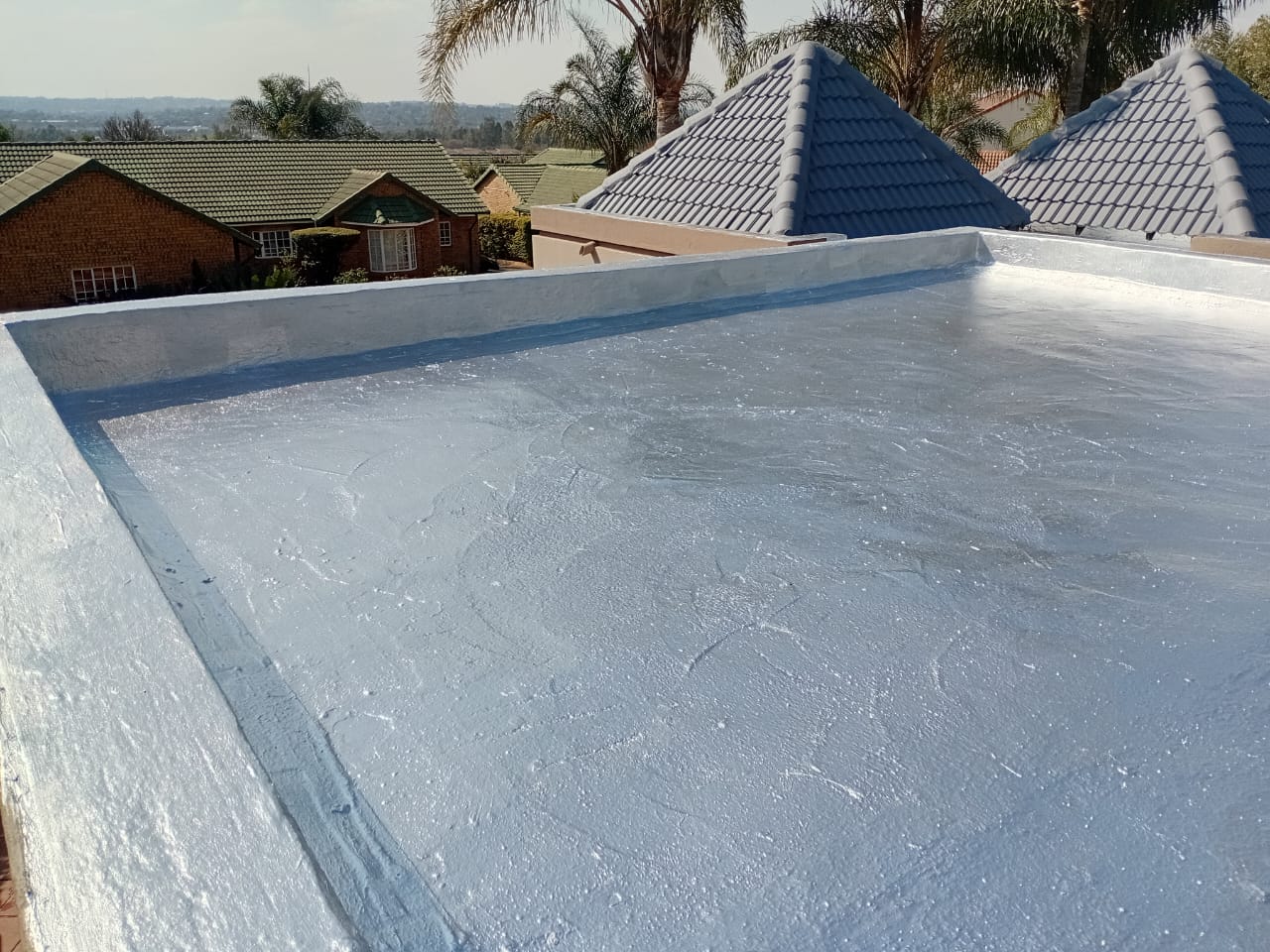
The Ultimate Flat Roof Waterproofing Guide for Gauteng Homeowners.
If you own a home with a flat roof in Johannesburg, Pretoria, Centurion, or anywhere in Gauteng, waterproofing is not something to ignore. A small crack or blocked outlet can quickly turn into a leaking ceiling, damaged walls, mould growth, and expensive repairs.
Gauteng weather is especially tough on flat roofs. Winter brings cold nights and strong UV rays during the day, while summer brings hailstorms, heavy rain, and sudden downpours. These constant temperature changes cause roofs to expand and contract, which is why many older waterproofing systems eventually fail.
This guide explains the most important things every homeowner should know in plain English.

Why Flat Roofs Leak More Easily.
Unlike pitched roofs, flat roofs do not drain water as quickly. If the waterproofing layer is old, cracked, or poorly installed, water can sit on the surface and slowly work its way underneath.
Common warning signs include:
- Water standing on the roof after rain
- Cracks in the waterproofing
- Bubbling or peeling coatings
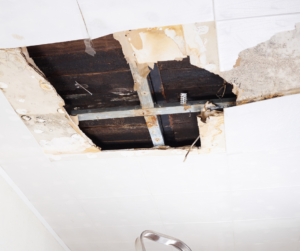
- Damp patches on ceilings
- Paint peeling inside the house
- Mould or musty smells
If you notice any of these signs, it is best to have the roof inspected before the next heavy storm.

The Best Waterproofing Option for Gauteng Flat Roofs:
Not all waterproofing systems are the same. These are the two most common professional solutions for long-term protection.
1. Torch-On Waterproofing

Best for: Most concrete flat roofs, garages, balconies, and townhouse roofs.
A thick waterproofing membrane is heat-bonded to the roof surface. This creates a strong, flexible barrier that can handle Gauteng’s temperature changes.
Why homeowners choose it:
- Very durable
- Long lifespan
- Excellent for larger flat roofs
- Handles movement better than paint-on products
A Flat Roof Should Not Be Completely Flat.
This is one of the biggest misconceptions.
A proper flat roof has a slight slope that directs water toward drainage outlets. If water remains on the roof for more than a day or two after rain, there may be a drainage problem.
Standing water can:
- Weaken the waterproofing
- Increase the weight on the roof
- Cause leaks over time
- Shorten the lifespan of the system
A professional can correct the slope using screed before applying new waterproofing.
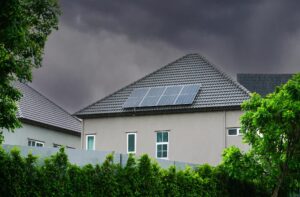
Are Solar Panels or Rooftop Decks Safe?
They can be, but the roof must be checked first.
Solar panels add weight and are exposed to strong wind forces during Gauteng storms. Timber decks, planters, and rooftop gardens can add even more weight, especially when wet.
Before installing anything on a flat roof, make sure the structure is suitable and the waterproofing is in good condition.
The Most Important Maintenance Checklist:
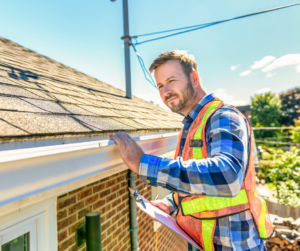
The best time to inspect your roof is September, before the summer rains begin.
Clear the drains
Remove leaves, dust, and debris from all outlets and gutters.
Check the edges of the roof
Look for cracks where the roof meets the walls.
Look for bubbles or lifting
These can be early signs that the waterproofing is failing.
Inspect previous repairs
Make sure old patches are still firmly bonded.
Recoat when needed
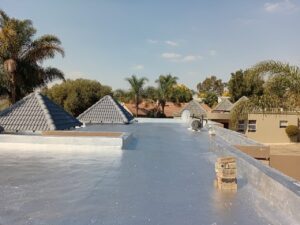
Many torch-on systems need a fresh silver protective coating every 3 to 4 years to protect them from UV damage.
Waterproofing Lifespan:
- Torch-On Bitumen: 10–15 years.
Don’t Wait for Water to Enter Your Home
By the time a ceiling starts dripping, the damage is often already extensive. The cheapest repair is usually the one done before the leak becomes visible.
Professional waterproofing protects:
- Your ceilings and walls
- Your electrical systems
- Your concrete structure
- Your property value
- Your peace of mind
Thanks, for reading our blog…